
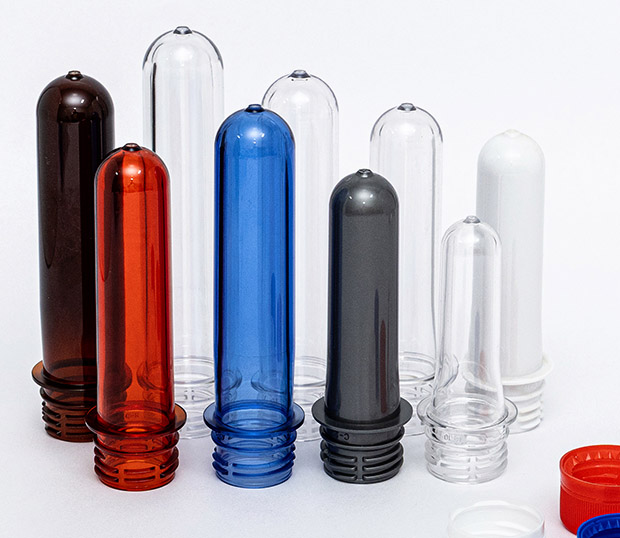
GTW – Precision Preform Molds for High-Performance Blow Molding
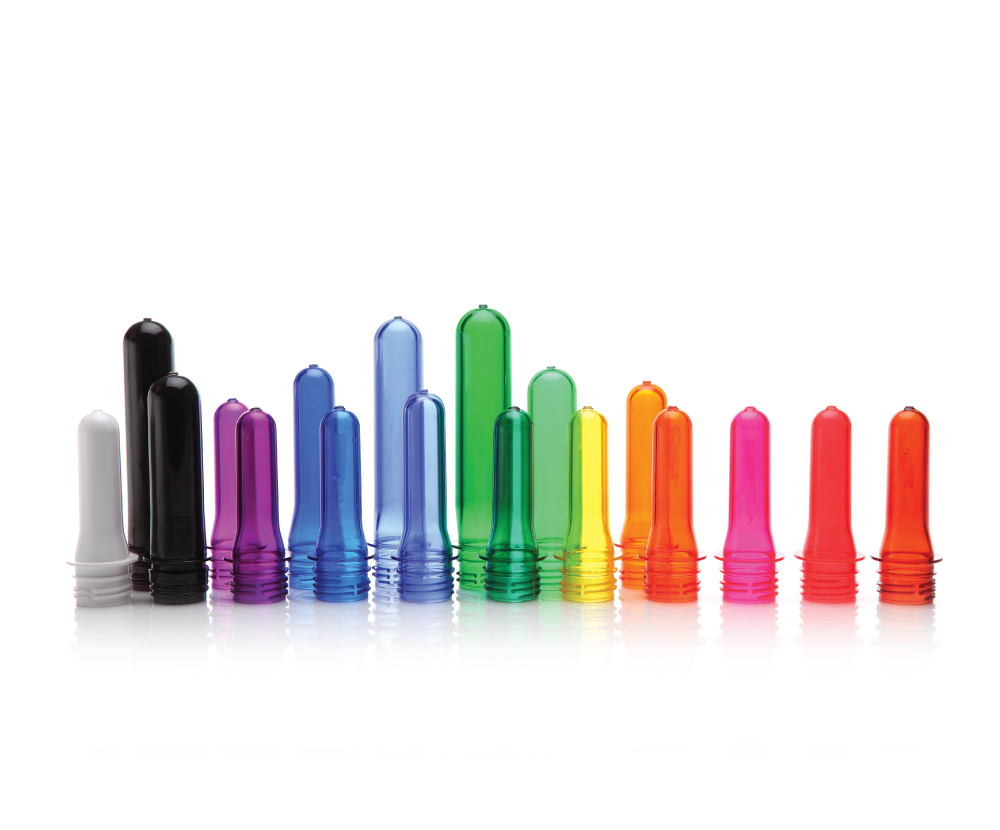
PET preforms are the essential intermediates in the production of PET bottles, used across the beverage, water, edible oil, and personal care industries. The quality of a PET preform directly determines the final bottle’s clarity, strength, and dimensional accuracy. Behind every high-quality preform lies a meticulously engineered mold and a tightly controlled injection molding process.
As a professional manufacturer of PET preform molds, GTW provides advanced tooling solutions that ensure consistency, efficiency, and low cycle times. Below is a step-by-step technical breakdown of the complete PET preform production process—from raw resin to finished preform.
1. Raw Material Drying – The Critical First Step
PET resin (typically virgin grade) is hygroscopic and absorbs moisture from the air. Before injection, the material must be dried to below 50 ppm (0.005%) moisture content using a dehumidifying dryer at around 160–180°C for 4–6 hours. Insufficient drying leads to hydrolytic degradation during melting, resulting in IV (intrinsic viscosity) drop, poor transparency, and weak mechanical properties in both the preform and final bottle.
GTW molds are designed to work optimally with properly dried PET, ensuring stable filling and reduced defects.
2. Injection Molding – Shaping the Preform
The dried PET pellets are fed into an injection molding machine equipped with a reciprocating screw. The screw melts the polymer at temperatures between 260°C and 280°C, homogenizing the melt before injecting it into the preform mold cavity.
Key stages of injection:
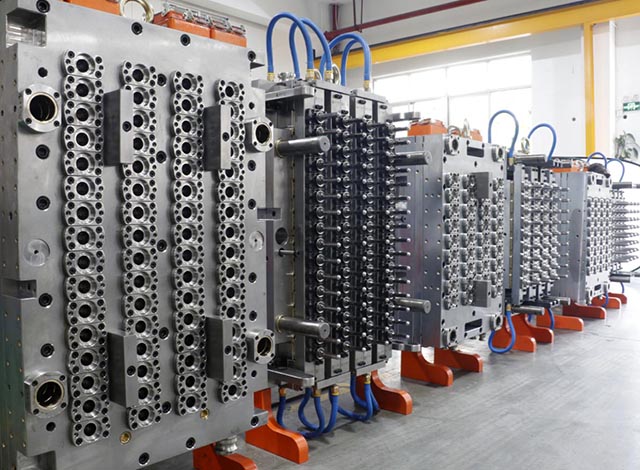
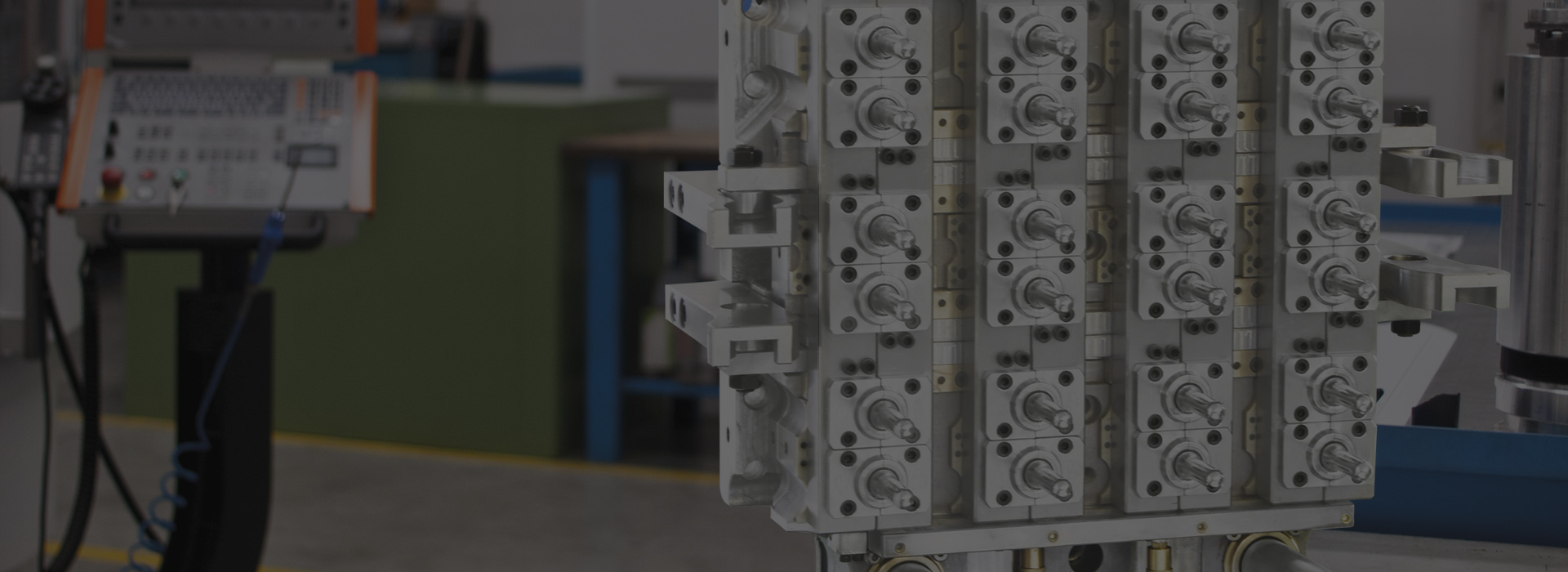
Filling: Molten PET is injected at high pressure into the multi-cavity mold (typically 48, 72, 96, or 144 cavities for high-output systems). The melt flows through a hot runner system and fills the core-cavity gap that defines the preform shape.
Packing & Holding: Additional material is packed into the cavity to compensate for shrinkage as the polymer cools.
Cooling: This is the longest part of the cycle. The mold’s cooling channels—precision-machined by GTW—circulate chilled water (typically 8–12°C) to extract heat evenly. Uniform cooling prevents crystallinity (hazing) and ensures dimensional stability.
GTW preform molds feature optimized cooling circuits and stainless steel materials to achieve cycle times as low as 6–12 seconds, depending on preform weight.
3. Mold Design & Key Components – Where GTW Excels
A PET preform mold is not a simple cavity block. It consists of several high-precision components:
Neck mold (finish): Defines the thread, support ledge, and sealing surface. Requires extreme precision to ensure leak-proof bottle caps.
Cavity block: Forms the outer geometry of the preform.
Core rod: Forms the inner wall and determines wall thickness distribution.
Stripper plate: Ejects the finished preform from the core.
GTW manufactures these components using hardened stainless steel (e.g., S136, 420SS) with mirror polishing (Ra ≤ 0.025μm) to ensure easy ejection and a crystal-clear preform. Each cavity is balanced for equal melt flow and cooling, guaranteeing weight uniformity within ±0.1% across all cavities.
4. Ejection & Handling
Once the preform has cooled sufficiently to maintain its shape (surface temperature ~40–60°C), the mold opens, and the stripper plate pushes the preforms off the core rods. Preforms fall onto a conveyor or into a collection bin. At this stage, the preform is complete and ready for either immediate stretch blow molding or storage.
5. Quality Control Parameters
Professional PET preform production requires rigorous QC checks. Key metrics include:
Preform weight (±0.1–0.2g tolerance)
Wall thickness distribution (measured via optical or ultrasonic gauges)
IV retention (target: ≤0.02 IV drop from virgin resin)
Visual clarity (no haze, bubbles, or black specks)
Neck finish dimensions (critical for capping)
GTW molds are designed to maintain these parameters over millions of cycles, with hot runner systems that prevent gate crystallinity and material degradation.
6. Post-Molding: Cooling & Crystallization Prevention
After ejection, preforms may pass through an air conveyor or cooling tunnel to gradually reach room temperature. Rapid or uneven post-cooling can cause warpage. Preforms are typically stored for 24–48 hours to allow any residual stresses to relax before blow molding.
Why GTW for PET Preform Molds?
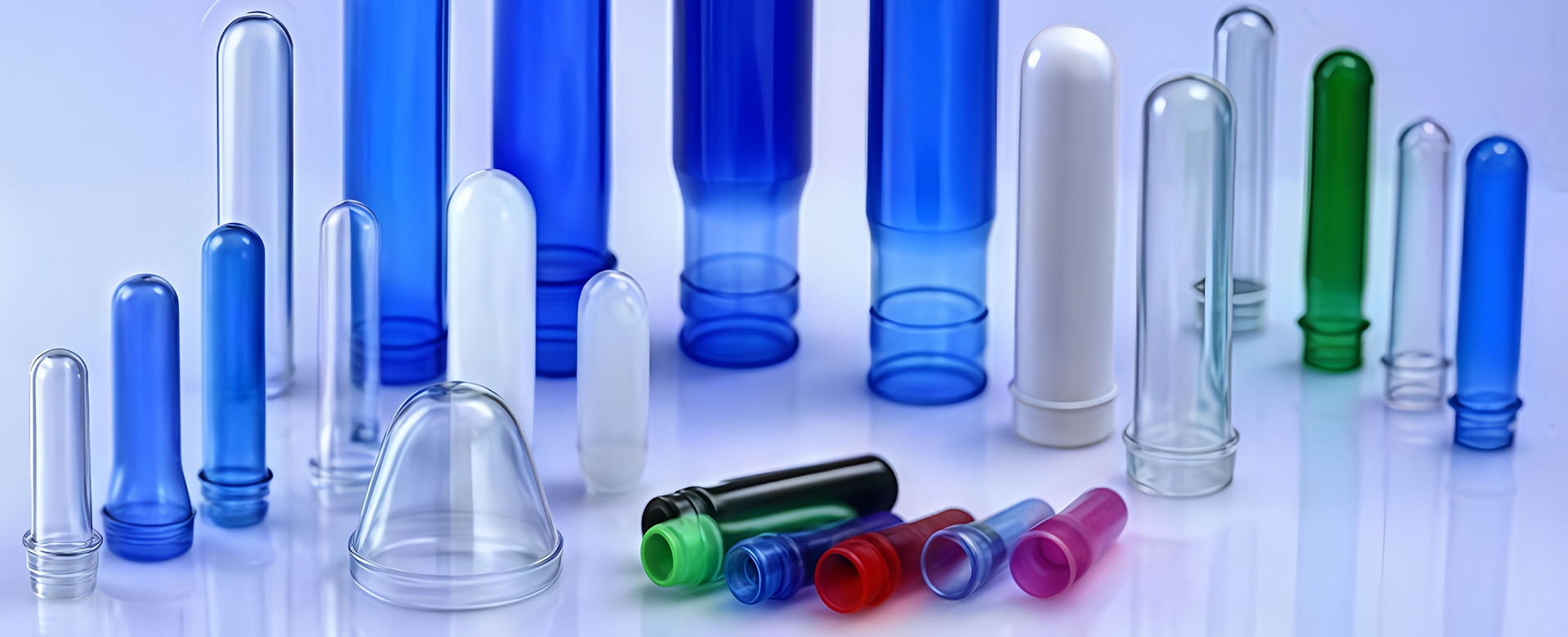
Custom cavity counts: From single-cavity prototypes to 144-cavity high-volume production molds.
Integrated hot runner systems: Minimized pressure drop and uniform melt distribution.
Rapid cooling design: Shorter cycles, higher output.
Long service life: High-grade stainless steel with anti-corrosion coatings for 10+ million shots.
Global technical support: On-site mold commissioning and operator training.
Conclusion
Producing a perfect PET preform requires synergy between high-quality raw material, stable injection process, and—most critically—a precision-engineered mold. From melt distribution to cooling efficiency, every parameter influences final bottle quality. GTW stands as a dedicated partner in this field, offering preform molds that combine precision, durability, and fast cycle performance.