
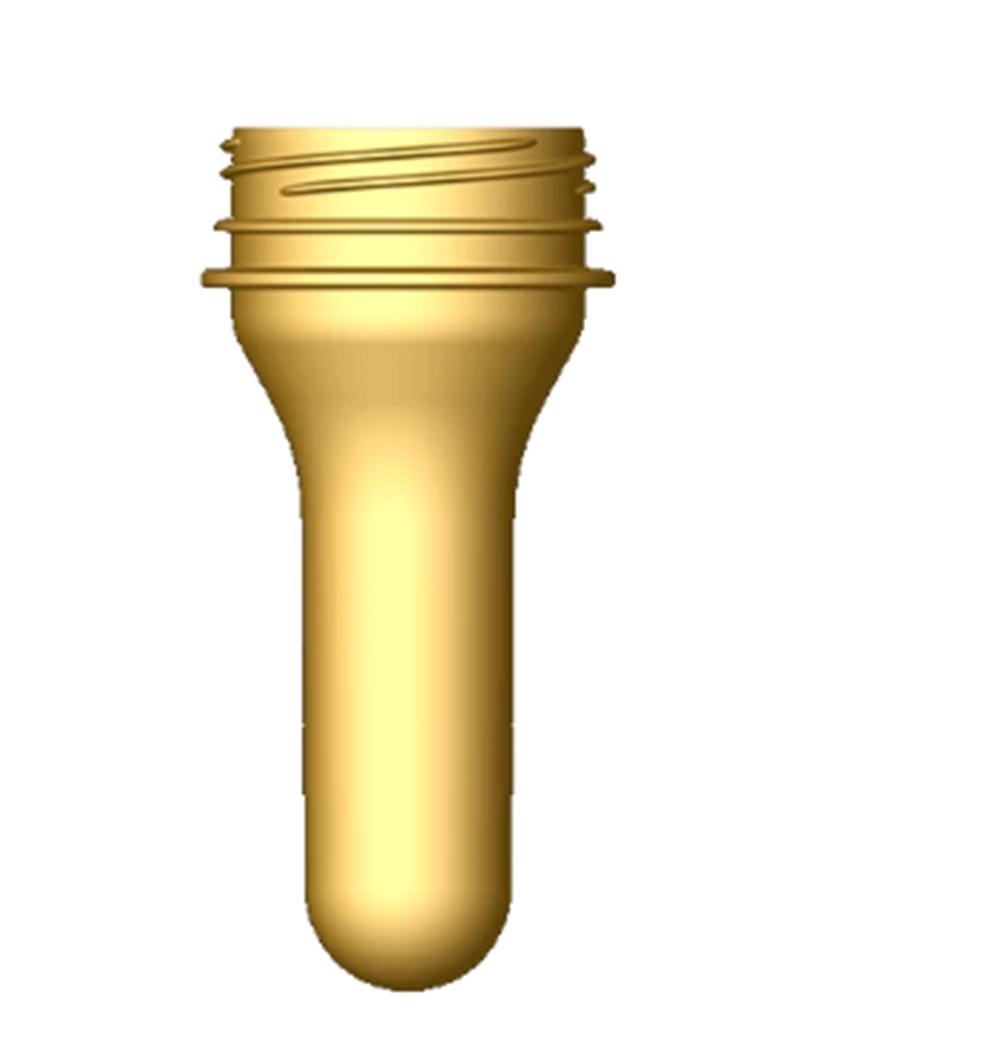
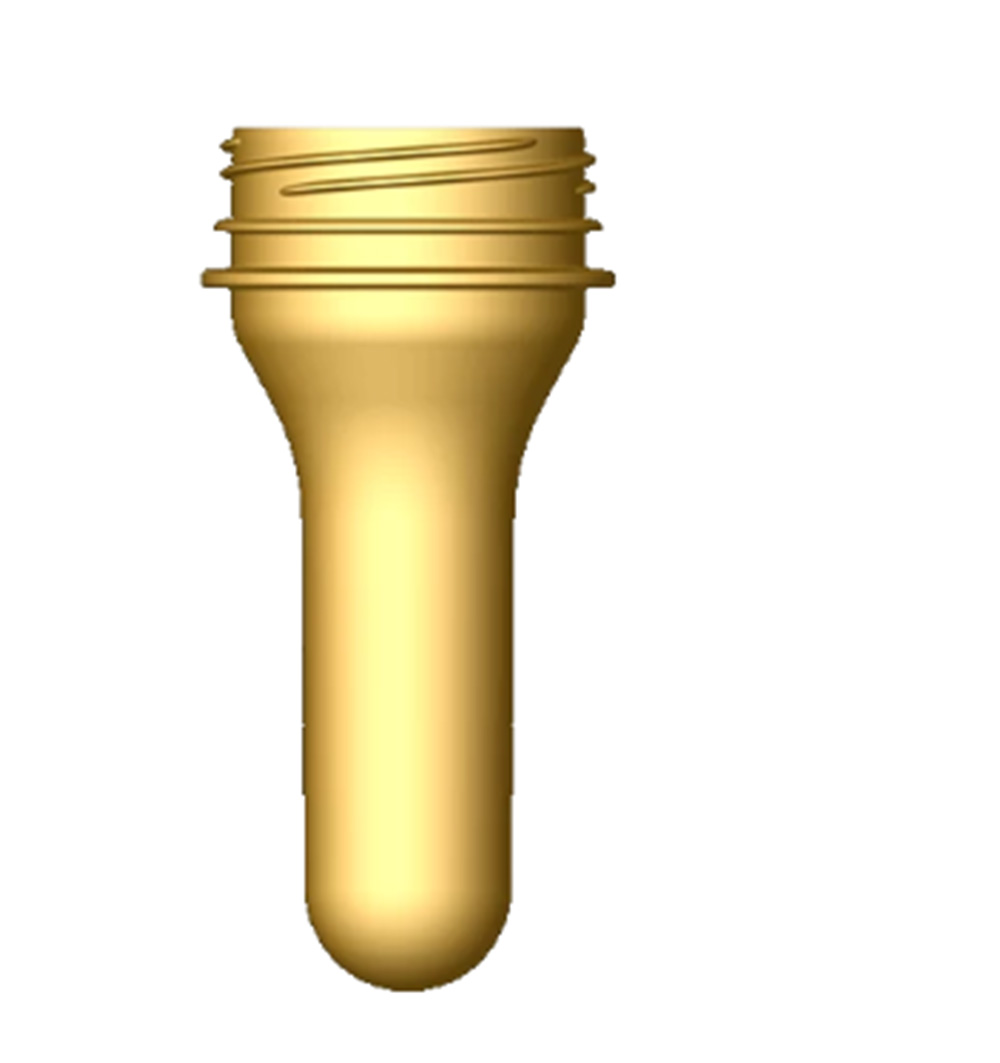
Lightweight PET Preform Mold, Gutewei Weight Reduction Design, Thin Wall Preform Tooling
In the competitive world of PET bottle manufacturing, material cost is the single largest expense. Every gram of PET saved per preform translates directly into lower cost, less environmental impact, and improved competitiveness. Lightweighting — reducing preform weight while maintaining bottle performance — has become a key strategy for bottlers worldwide. That is why Gutewei specializes in lightweight PET preform molds featuring weight reduction design — delivering thin wall preform tooling that produces preforms with minimum material and maximum performance.
Why Lightweight Preforms Matter
| Benefit | Impact |
|---|---|
| Material cost savings | Every gram saved = direct cost reduction |
| Lower carbon footprint | Less PET = less CO₂ in production |
| Reduced shipping weight | Lighter preforms = lower transport costs |
| Sustainability compliance | Meets environmental regulations |
| Competitive advantage | Lower cost per bottle |
| Better consumer perception | Less packaging, more eco-friendly |
Real-World Savings Example
| Parameter | Standard Preform | Lightweight Preform | Saving |
|---|---|---|---|
| Preform weight (0.5L water) | 16.0g | 12.5g | 3.5g (22%) |
| Annual production | 100M preforms | 100M preforms | — |
| PET consumed | 1,600 metric tons | 1,250 metric tons | 350 metric tons |
| Material cost (@$1,200/ton) | $1,920,000 | $1,500,000 | $420,000/year |
What Makes a Preform “Lightweight”?
A lightweight preform has:
| Feature | Standard Preform | Lightweight Preform |
|---|---|---|
| Wall thickness | 2.0–3.0mm | 1.2–1.8mm |
| Preform weight (0.5L) | 16–18g | 10–12g |
| Bottle weight | 18–22g | 12–16g |
| Material distribution | Even | Optimized (stretch zones) |
| Blow ratio | Standard | Higher |
Challenges of Lightweight Preform Molding
| Challenge | Cause | Gutewei Solution |
|---|---|---|
| Thin walls are harder to fill | Less material, faster cooling | Optimized injection, high-speed filling |
| Higher stretch ratio during blow | More material orientation | Preform geometry optimized for blow |
| Risk of stress cracking | Thinner walls = more sensitive | Stress-reducing design |
| Need for precision cooling | Less thermal mass | Uniform cooling, precise temperature |
| Higher injection speed required | Faster cavity fill | Optimized gate design |
| Neck finish strength | Thinner neck area | Reinforced neck design |
Gutewei Weight Reduction Design: Technical Features
1. Optimized Preform Geometry
Gutewei engineers preform shapes that maximize material distribution efficiency:
| Design Feature | Gutewei Implementation | Benefit |
|---|---|---|
| Gradual wall transition | Smooth thickness changes | No stress concentration |
| Optimized length/diameter ratio | Calculated for blow ratio | Material savings without quality loss |
| Neck reinforcement | Strategic thickening at neck | Strength where needed |
| Base/gate optimization | Reduced gate area weight | Material savings |
| Wall thickness profiling | Thinner at stretch areas | Material distribution efficiency |
2. High-Speed Injection Capability
Thin wall preforms require faster injection to prevent premature cooling:
| Feature | Gutewei Specification | Benefit |
|---|---|---|
| Large gate diameter | Increased for fast flow | Rapid cavity fill |
| Optimized runner design | Minimized flow resistance | Lower injection pressure |
| Valve gate (option) | Quick cut-off | Clean gate, no trimming |
| High response heaters | Fast temperature control | Consistent melt quality |
3. Enhanced Cooling System
Thin walls cool faster but must cool uniformly:
| Feature | Gutewei Implementation | Benefit |
|---|---|---|
| Conformal cooling | Follows thin wall contour | Uniform cooling |
| High turbulence | > 10,000 Reynolds | Fast heat removal |
| Multi-zone control | Independent circuits | Precise temperature control |
| Pin cooling | Direct at base | Eliminates hot spots |
4. Cavity Balance for Thin Wall Preforms
Weight variation is even more critical with lightweight preforms — a 0.1g variation represents a higher percentage of total weight:
| Cavity Count | Standard Preform Variation | Lightweight Preform Variation | Gutewei Target |
|---|---|---|---|
| 48 cavities | ≤ 0.30% | ≤ 0.25% | Tighter control |
| 72 cavities | ≤ 0.30% | ≤ 0.25% | Tighter control |
| 96 cavities | ≤ 0.35% | ≤ 0.30% | Tighter control |
5. Stress Reduction Design
Lightweight preforms are more susceptible to stress cracking. Gutewei minimizes stress through:
| Feature | Gutewei Implementation | Benefit |
|---|---|---|
| Low-shear hot runner | Smooth flow paths | Reduced molecular orientation |
| Optimized gate design | Gradual transition | No stress concentration |
| Controlled cooling | Uniform temperature | Reduced internal stress |
| Precise ejection | Smooth, even ejection | No post-mold stress |
Thin Wall Preform Tooling: Performance Characteristics
| Parameter | Standard Preform | Gutewei Thin Wall Preform |
|---|---|---|
| Wall thickness | 2.0–3.0mm | 1.2–1.8mm |
| Preform weight (0.5L) | 16g | 12g |
| Injection pressure | Standard | Slightly higher |
| Cycle time | Standard | Shorter (faster cooling) |
| Blow ratio | Standard | Higher |
| Bottle strength | Standard | Good (optimized design) |
| Material saving | — | Up to 25% |
Lightweight Preform Design by Application
| Application | Standard Weight (0.5L) | Lightweight Target | Gutewei Approach |
|---|---|---|---|
| Still water | 16g | 10–12g | Material distribution optimization |
| Carbonated water | 18g | 14–15g | Reinforced neck, thin body |
| CSD (2L) | 52g | 42–45g | Optimized pressure resistance |
| Edible oil (1L) | 32g | 26–28g | Thick wall for barrier, thin elsewhere |
| Hot fill (0.5L) | 24g | 18–20g | Heat set neck, thin body |
Lightweighting Strategies by Bottle Volume
| Bottle Volume | Standard Preform Weight | Lightweight Target | Saving |
|---|---|---|---|
| 0.33L | 12g | 9g | 25% |
| 0.5L | 16g | 12g | 25% |
| 1.0L | 24g | 18g | 25% |
| 1.5L | 32g | 24g | 25% |
| 2.0L | 40g | 30g | 25% |
Why Global Bottlers Choose Gutewei for Lightweighting
| Buyer Requirement | Gutewei Solution |
|---|---|
| Reduce material cost | Weight reduction design, up to 25% saving |
| Maintain bottle strength | Optimized geometry, stress reduction |
| Fast cycle times | Enhanced cooling for thin walls |
| Consistent quality at lower weight | Tighter cavity balance |
| Environmental compliance | Lower material usage, reduced CO₂ |
| Competitive advantage | Lower cost per bottle |
Real-World Performance: 0.5L Water Preform Lightweighting
| Parameter | Before (Standard) | After (Gutewei Lightweight) |
|---|---|---|
| Preform weight | 16.0g | 12.2g |
| Weight saving | — | 3.8g (24%) |
| Wall thickness | 2.2mm | 1.5mm |
| Preform length | 98mm | 102mm (adjusted) |
| Blow ratio | 10:1 | 12:1 |
| Injection pressure | 1,100 bar | 1,250 bar |
| Cycle time | 9.5 sec | 8.5 sec |
| Reject rate | 0.6% | 0.7% (acceptable) |
| Annual material saving (100M preforms) | — | 380 metric tons |
| Annual cost saving (@$1,200/ton) | — | $456,000 |
Lightweight Preform Mold Design Process
| Step | Gutewei Action | Deliverable |
|---|---|---|
| 1. Bottle analysis | Review bottle design, volume, target weight | Design brief |
| 2. Preform design | Optimize geometry for lightweighting | Preform drawing |
| 3. Blow ratio analysis | Confirm stretch ratio is achievable | Simulation report |
| 4. Stress analysis | Verify no stress concentration | FEA report |
| 5. Mold design | Design for thin wall molding | Mold drawing |
| 6. Manufacturing | Precision machining | Finished mold |
| 7. Testing | Verify performance, weight | Test report |
Common Lightweighting Mistakes
| Mistake | Why It Is a Mistake | Gutewei Solution |
|---|---|---|
| Reducing weight uniformly | Creates weak points | Strategic material distribution |
| Ignoring blow ratio | Bottle fails to form | Optimized preform length |
| Using standard cooling | Uneven cooling, warp | Enhanced cooling design |
| Cutting weight from neck | Capping issues | Reinforced neck design |
| No stress analysis | Cracking in service | FEA stress analysis |
Ready for Lightweight Preform Tooling?
If you want to reduce material costs, lower your carbon footprint, and gain competitive advantage — without sacrificing bottle quality — you need a lightweight PET preform mold from Gutewei. Our weight reduction design delivers thin wall preform tooling that saves material while maintaining performance.
Contact Gutewei today with your bottle specifications — volume, target weight reduction, current preform weight, and injection machine model. We will design a lightweight preform mold that reduces your material cost and environmental impact.