
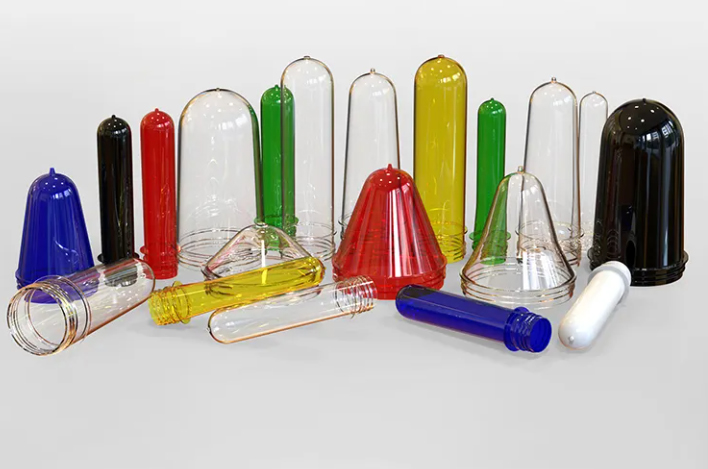
In the world of rigid plastic packaging, the preform mold is the silent workhorse that determines the quality, efficiency, and cost-effectiveness of the final container. While many suppliers offer standard preform molds, the truth is that no single mold design fits all industries.
The beverage, edible oil, and daily chemical sectors each impose unique demands on preform molds – from material selection and dimensional precision to production output and barrier properties. Understanding these differences is key to choosing the right tooling partner and maximizing your ROI.
1. Beverage Industry – Speed, Consistency, and Lightweighting
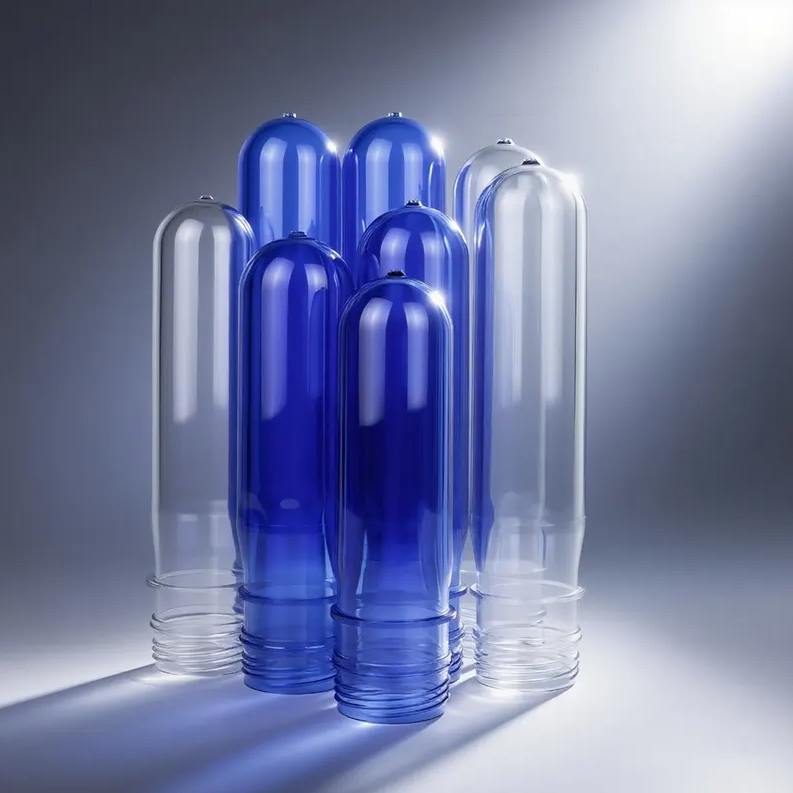
The beverage sector (water, carbonated soft drinks, juices, and teas) is dominated by high-speed, high-volume production. Here, preform molds must meet three critical requirements:
Ultra-High Cavitation: Beverage preform molds typically range from 72 to 144 cavities or more. Cycle times are often under 8–10 seconds. Mold design must ensure perfect filling and cooling balance across every cavity.
Neck Finish Precision: The neck finish is the interface with the closure. For carbonated beverages, any deviation in the PCO (or similar) neck finish can cause gas leakage. Molds must hold tolerances within ±0.02mm on critical dimensions.
Lightweighting Support: Brand owners constantly push for lighter preforms to reduce material costs. Molds must handle thin-wall designs without warpage or stress cracking, especially for still water (low intrinsic viscosity – IV).
Key mold features: Hot runner balance, rapid cooling channels, and stainless steel materials to resist corrosion from humidity and wash-downs.
2. Edible Oil Industry – Thick Walls, Slow Cooling, and Material Compatibility
Edible oil packaging (cooking oil, olive oil, vegetable oil) is a different challenge altogether. Oil is chemically aggressive, and the containers are often larger (1L to 5L+).
Thicker Preform Walls: Oil bottles require higher top-load strength and barrier properties. Preforms are significantly thicker, which demands longer cooling times within the mold. Poor cooling leads to crystallinity (white haze) and dimensional instability.
Resin Selection – High-IV PET: While beverage preforms often use bottle-grade PET with IV ~0.74–0.80, oil bottles prefer higher IV (0.80–0.85) or even multilayer structures. Molds must be compatible with these stiffer resins.
Stress Crack Prevention: Oil can accelerate environmental stress cracking (ESC) near the gate area. The gate design and vestige must be flawless – typically a 1.2–1.5mm gate with smooth transition.
Corrosion Resistance: Fatty acids can release corrosive vapors at injection temperatures. Mold plates and hot runners should use specialized steel (e.g., NAK80 or H13 with coating) to prevent pitting.
Key mold features: Independent temperature control for thick-wall cooling, polished gate vestiges, and corrosion-resistant coatings.
3. Daily Chemical Industry – Complex Geometries, Small Batches, and Chemical Resistance
The daily chemical sector (shampoo, lotion, laundry detergent, dish soap) is the most diverse. Unlike beverage and oil, these containers are often non-round, have decorative handles, or use multiple layers.
Non-Standard Neck Finishes: Daily chemical bottles often use flip-top caps, pumps, or spray triggers. Preform molds must accommodate specialized neck finishes (e.g., 24/410, 28/400, 38mm) with undercuts or thread profiles that are not standard in beverage molds.
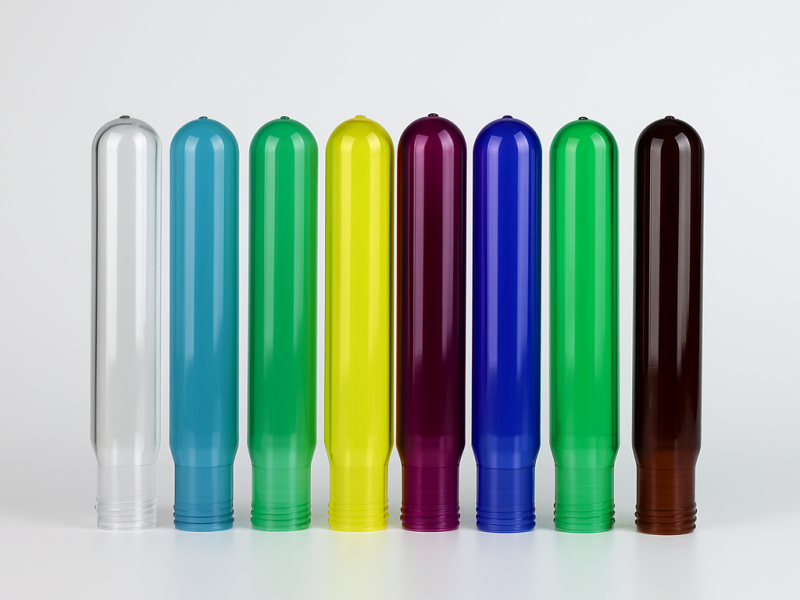
Small-to-Medium Cavitation: Unlike 100+ cavity beverage molds, daily chemical preform molds typically run 8–48 cavities. Frequent color and material changes require quick mold changeover and easy purgeability.
Multilayer and Recycled Content: Many detergent bottles use a post-consumer recycled (PCR) middle layer or a barrier layer (EVOH) for aggressive chemicals like bleach or acid-based cleaners. Preform molds must support sequential injection or co-injection technologies.
Impact Resistance: Hand soap or shampoo bottles may be dropped in wet bathrooms. Molds need to produce preforms with consistent wall distribution to avoid brittle failures, especially when using HDPE or PP instead of PET.
Key mold features: Modular neck inserts, compatibility with co-injection systems, and surface finishes that minimize drag for sticky resins (e.g., HDPE, PP).
Comparison Summary Table
| Feature | Beverage | Edible Oil | Daily Chemical |
|---|---|---|---|
| Typical Cavitation | 72–144+ | 32–72 | 8–48 |
| Preform Wall | Thin (lightweight) | Thick (heavy-duty) | Variable (small to medium) |
| Critical Issue | Cycle time & balance | Cooling & stress cracking | Neck complexity & chemical resistance |
| Preferred Resin | PET (IV 0.74–0.80) | PET (High IV) or multilayer | PET, HDPE, PP, PCR, EVOH |
| Mold Steel | Stainless, high wear | Corrosion-resistant (H13/NAK80) | High polish, anti-stick coatings |
| Hot Runner Type | High-speed balanced | Thermal stability for thick parts | Quick color-change systems |
Conclusion – Choose a Mold Supplier That Understands Your Industry
A beverage mold optimized for 0.5L water bottles will fail miserably in an edible oil line – and an oil mold will be over-engineered and slow for high-speed daily chemical production. When selecting a preform mold manufacturer, ask about their industry-specific experience.
At [Your Company Name], we design and manufacture dedicated preform molds for beverage, edible oil, and daily chemical applications. From 8-cavity sample molds to 144-cavity high-output systems, every mold is validated for its target resin and production environment.
👉 Contact us today to discuss your preform mold requirements. We will recommend the right cavity count, steel type, hot runner configuration, and cooling design – based on your industry, not a generic solution.