
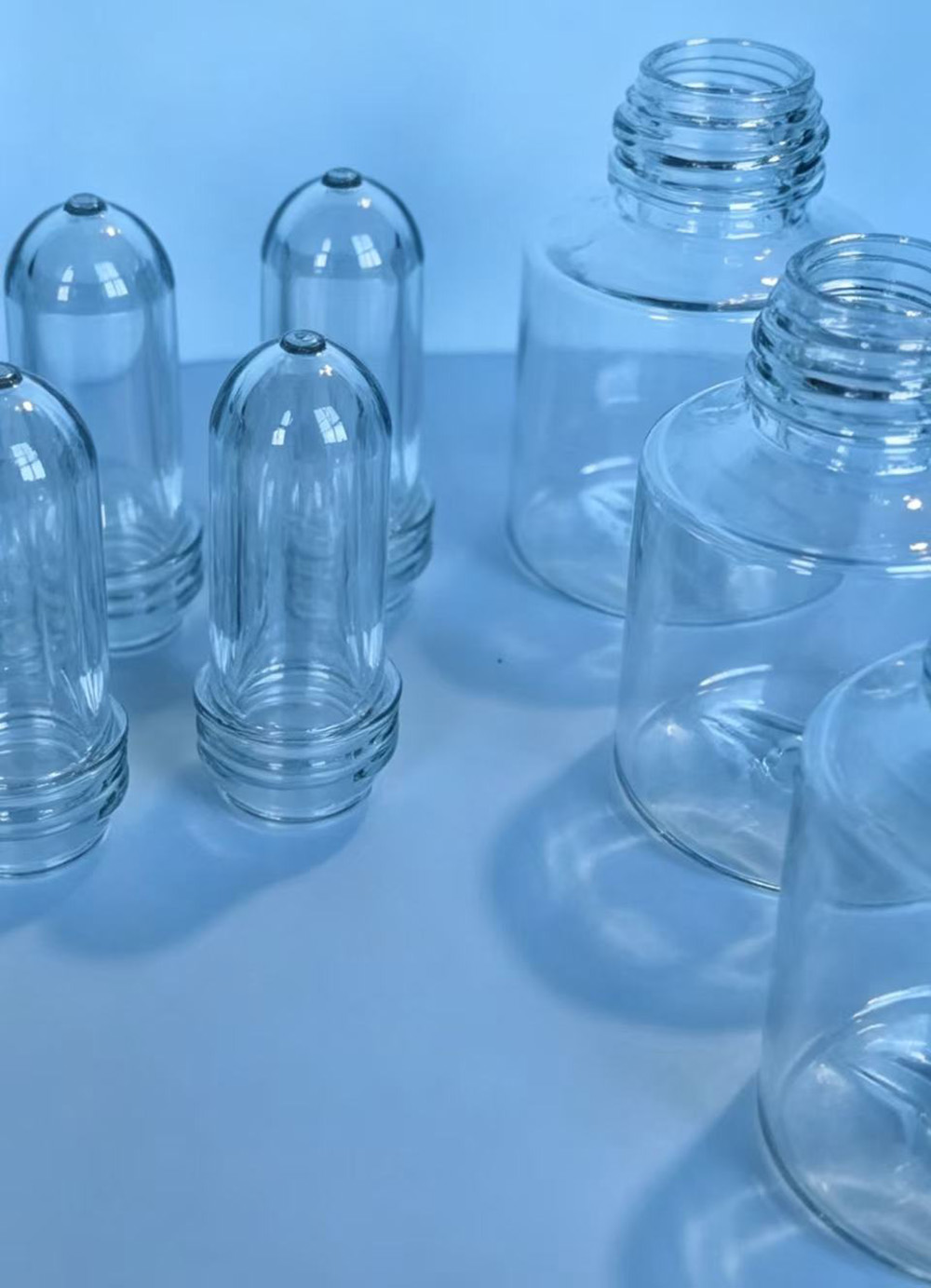
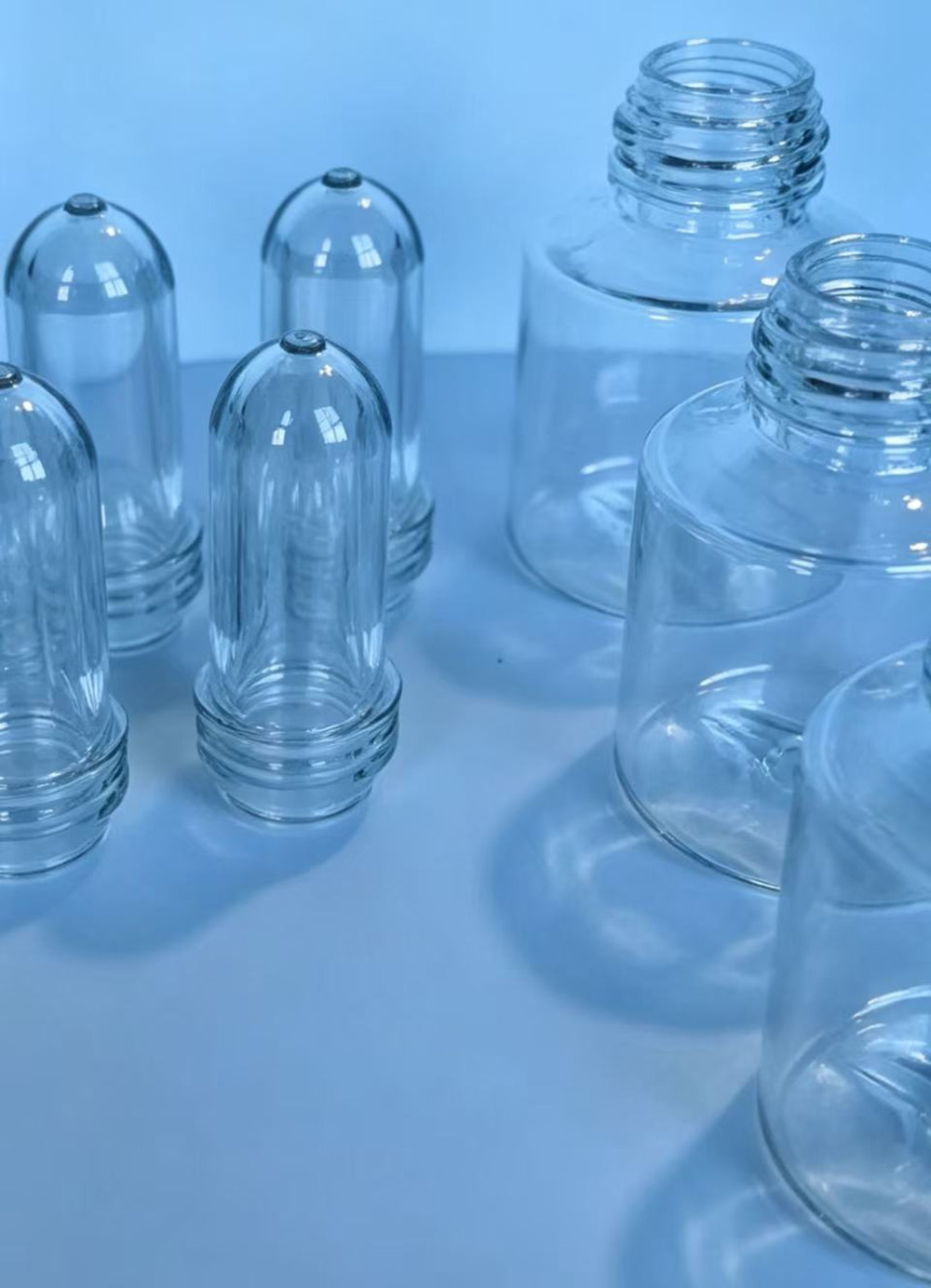
PET Preform Mold Hot Runner Technology, Gutewei Thermal Balance Guide, Consistent Melt Flow Tooling
In PET preform injection molding, the hot runner system is the heart of the mold. It delivers molten PET from the injection machine nozzle to each cavity gate — and how well it does this determines everything: preform weight consistency, wall thickness uniformity, cycle time, and even the taste quality of the final bottle. That is why Gutewei invests heavily in PET preform mold hot runner technology — providing a thermal balance guide for consistent melt flow tooling that delivers perfect preforms, cavity after cavity.
What Is Hot Runner Technology?
A hot runner system is a heated manifold that distributes molten PET from the injection machine nozzle to multiple cavity gates. Unlike cold runners, which solidify between cycles, hot runners keep the material molten until it enters the cavity.
| Feature | Cold Runner | Hot Runner |
|---|---|---|
| Material state between cycles | Solidifies (needs re-melt) | Remains molten |
| Runner scrap | Yes (regrind needed) | No (runner-less) |
| Energy efficiency | Lower (re-heating required) | Higher |
| Cycle time | Longer | Shorter |
| Preform quality | Good | Excellent (consistent) |
| Initial cost | Lower | Higher |
Why Thermal Balance Matters in Hot Runner Systems
Thermal balance refers to the ability of the hot runner system to maintain uniform temperature across all nozzles, drops, and flow channels. Without thermal balance:
| Problem | Consequence |
|---|---|
| Nozzle temperature variation | Different melt viscosity per cavity |
| Hot spots | Material degradation, AA increase |
| Cold spots | Flow restrictions, short shots |
| Uneven manifold heating | Pressure variation, weight imbalance |
| Gate temperature differences | Inconsistent gate vestige, stringing |
Thermal balance is not a luxury — it is a requirement for consistent preform quality.
Gutewei Thermal Balance Guide: Key Principles
Principle 1: Uniform Manifold Heating
The manifold is the main distribution block. Gutewei designs manifolds with:
| Feature | Gutewei Implementation | Benefit |
|---|---|---|
| Symmetrical heater layout | Heaters positioned for even heat distribution | No hot/cold zones |
| Multiple temperature zones | Independently controlled zones | Fine-tuned balance |
| Thermal insulation | Insulation between manifold and mold base | Protects machine platens, reduces energy loss |
| Material selection | Heat-treated stainless steel with high thermal conductivity | Stable temperature, no distortion |
Target: Manifold temperature variation ≤ 2°C across all zones.
Principle 2: Individual Nozzle Temperature Control
Each nozzle has its own heater and thermocouple. Gutewei systems maintain:
| Parameter | Gutewei Standard |
|---|---|
| Nozzle setpoint accuracy | ±1°C |
| Nozzle-to-nozzle variation | ≤ 1.5°C |
| Response time to correct drift | < 2 seconds |
| Heater design | High watt density, uniform heating |
Why it matters: PET viscosity changes significantly with temperature. A 5°C variation can cause 10% weight variation between cavities.
Principle 3: Balanced Flow Channel Design
Flow channels must deliver the same amount of melt to each cavity at the same pressure and temperature:
| Feature | Gutewei Implementation |
|---|---|
| Symmetrical channel layout | Equal flow path length to all drops |
| Smooth channel transitions | No sharp corners, low shear |
| Optimized channel diameters | Balanced pressure drop |
| CFD-validated design | Flow simulation before manufacturing |
Target: Flow variation ≤ 2% across all channels.
Principle 4: Proper Gate Heating
The gate area (where melt enters the cavity) must be precisely heated:
| Feature | Gutewei Implementation |
|---|---|
| Heated gate tips | Prevent freeze-off |
| Tip material | High thermal conductivity alloy |
| Gate temperature control | Independent zone |
| Valve gate heating (if equipped) | Separate control for pin and gate |
Principle 5: Thermal Expansion Management
Heated components expand. Gutewei designs account for:
| Feature | Implementation |
|---|---|
| Expansion gaps | Allow for thermal growth |
| Floating nozzle design | Absorbs expansion without binding |
| Manifold mounting | Allows movement while maintaining seal |
| Materials with matched coefficients | Minimizes differential expansion |
Consistent Melt Flow Tooling: Complete System Features
1. Low Shear Design
PET degrades under excessive shear. Gutewei hot runners feature:
| Feature | Benefit |
|---|---|
| Smooth channel surfaces (RA ≤ 0.4μm) | Minimal frictional shear |
| Gradual transitions | No sudden flow restrictions |
| Optimized gate diameters | Proper flow rate, minimal shear |
| No dead zones | No stagnant material to degrade |
2. Low Acetaldehyde (AA) Design
AA affects taste — critical for beverages. Gutewei hot runners:
| Feature | AA Reduction |
|---|---|
| Low residence time | Less degradation time |
| Smooth flow paths | No material hang-up |
| Optimized temperatures | Minimal thermal degradation |
| No dead zones | No aged material pockets |
Result: AA levels consistently ≤ 3 ppm (beverage grade).
3. Fast Color Change Capability
Color changes waste material and time. Gutewei hot runners feature:
| Feature | Benefit |
|---|---|
| Minimal dead volume | Less purge material |
| Removable nozzle tips | Easy cleaning |
| Smooth flow paths | No material trapping |
| Quick disconnect manifolds | Faster changeover |
Typical color change time: 20–30 minutes for same-family colors.
Hot Runner System Configurations
Open Gate Systems
| Feature | Specification |
|---|---|
| Gate type | Open nozzle tip |
| Gate vestige | Small nub (0.5–1.5mm) |
| Applications | Standard water, oil, industrial |
| Cost | Lower |
| Maintenance | Lower |
Valve Gate Systems
| Feature | Specification |
|---|---|
| Gate type | Mechanically actuated pin |
| Gate vestige | None (flat surface) |
| Applications | Premium bottles, CSD, cosmetics |
| Cost | Higher |
| Maintenance | Higher (pin replacement) |
Gutewei Valve Gate Benefits
| Benefit | How It Works |
|---|---|
| Zero gate vestige | Pin cuts off melt cleanly |
| No trimming scrap | No secondary operation |
| Better bottle strength | No stress concentration |
| Perfect sealing surface | Flat gate area |
| Professional appearance | No visible gate mark |
Thermal Balance Troubleshooting
| Symptom | Possible Cause | Gutewei Solution |
|---|---|---|
| Weight variation between cavities | Temperature variation | Check thermocouples, heater bands |
| Short shots in specific cavities | Cold nozzle | Increase nozzle temperature |
| Splay / burns | Hot spot | Check heater placement, insulation |
| Stringing / drool | Gate too hot | Reduce gate temperature |
| AA level increase | Residence time too long | Check manifold design, dead zones |
Why Global Preform Manufacturers Choose Gutewei
| Buyer Requirement | Gutewei Solution |
|---|---|
| Consistent preform weight | Thermal balance, individual nozzle control |
| Low AA for beverage taste | Low shear design, no dead zones |
| Fast color changes | Minimal dead volume, removable tips |
| Zero gate vestige | Valve gate system (option) |
| Long hot runner life | High quality materials, hardened components |
| Easy maintenance | Standardized nozzles, replaceable tips |
Real-World Performance: 72-Cavity Water Preform Mold
| Parameter | Generic Hot Runner | Gutewei Balanced Hot Runner |
|---|---|---|
| Cavity count | 72 | 72 |
| Nozzle temperature variation | ±3–5°C | ±1.0°C |
| Weight variation | 0.6–0.9% | 0.22% |
| AA level | 4.5 ppm | 2.8 ppm |
| Color change time | 45 minutes | 25 minutes |
| Gate vestige (open gate) | 0.8–1.5mm | None (valve gate) |
| Hot runner maintenance interval | 3–5 million cycles | 8–10 million cycles |
Maintenance for Hot Runner Systems
| Frequency | Task |
|---|---|
| Weekly | Check nozzle temperatures, inspect for leaks |
| Monthly | Clean gate tips, verify thermocouple function |
| Quarterly | Inspect heaters, check wiring connections |
| Annually | Full hot runner inspection, replace O-rings |
| As needed | Replace worn nozzles, thermocouples, heaters |
Hot Runner Selection Guide
| Factor | Gutewei Recommendation |
|---|---|
| Preform quality requirement | Valve gate for premium, open gate for standard |
| Cavity count | Higher count = more complex manifold |
| Material | PET, rPET, bio-PET — all compatible |
| Color change frequency | Frequent = low dead volume design |
| Budget | Open gate lower cost, valve gate higher |
Ready for Consistent Melt Flow Tooling?
If your current preform mold suffers from weight variation, high AA levels, or gate quality issues, the hot runner system is likely the root cause. Gutewei provides advanced PET preform mold hot runner technology with precise thermal balance for consistent melt flow tooling — delivering perfect preforms every cycle.
Contact Gutewei today with your preform specifications — target weight, cavity count, neck finish, and injection machine model. We will design a hot runner system optimized for your production needs.